In high-risk work environments where arc-flash and flash-fire incidents are possible, safety is not optional; it is essential. FR Clothing (flame-resistant clothing) plays a critical role in protecting workers from serious burn injuries. It acts as a protective barrier that reduces burn severity, limits flame spread, and helps workers escape dangerous situations safely.
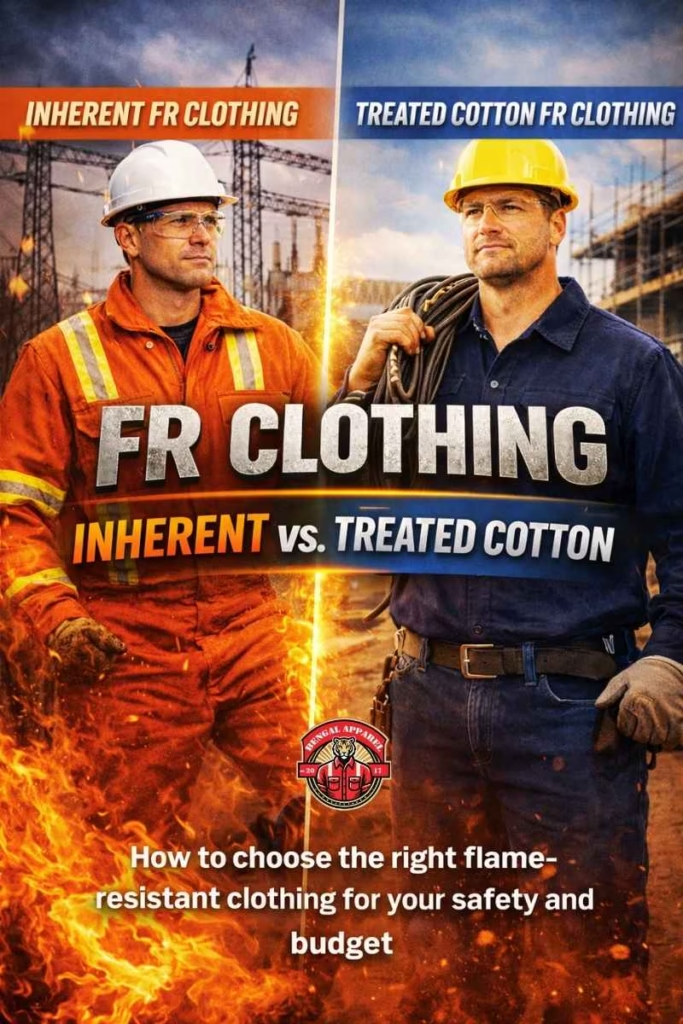
Not all FR Clothing is the same. There are two main categories used across industries today:
Inherent FR clothing
Treated cotton FR clothing
Both types of FR Clothing provide protection, but they differ in how they are made, how long they last, how they perform over time, and how suitable they are for different work environments. Understanding these differences helps businesses and safety managers make smarter, safer decisions for their teams.
This guide explains both types of FR Clothing, their benefits, and how to choose the right option for your workforce.
Understanding FR Clothing and Why It Matters
FR Clothing is designed to resist ignition, prevent flames from spreading, and reduce burn injuries during fire-related incidents. It does not make workers fireproof, but it significantly improves survival chances and reduces injury severity.
FR clothing is commonly used in industries such as:
Electrical utilities
Oil and gas
Mining
Manufacturing
Construction
Chemical plants
Power generation
Welding and metalwork
In these environments, exposure to sparks, heat, arc flashes, and open flames is a daily risk. Choosing the right FR Clothing can mean the difference between minor injuries and life-threatening burns.
Understanding Inherent FR Clothing
Inherent FR Clothing is made from fibers that are naturally flame-resistant. This means the fire-resistant property is built into the fabric at a molecular level. It does not rely on chemical treatments to provide protection.
Because the flame resistance is part of the fiber structure, inherent FR Clothing does not lose its protective ability over time, even after repeated washing and daily use.
Benefits of Inherent FR Clothing
Permanent protection
Flame resistance is built into the fabric and does not wash out.High durability
Inherent FR clothing maintains its performance after many washes and heavy use.Consistent safety performance
Protection remains stable throughout the garment’s lifespan.Comfort for long wear
Many inherent FR fabrics are designed to be breathable and moisture-wicking.Long service life
Ideal for long-term use in demanding environments.
Inherent FR Clothing is often chosen for industries that require continuous, long-term protection and reliable performance in high-risk conditions.
Understanding Treated Cotton FR Clothing
Treated cotton FR Clothing is made from natural cotton fabric that has been treated with flame-resistant chemicals. These chemicals create a protective layer that resists ignition and flame spread.
Unlike inherent FR fabrics, the protection in treated cotton FR Clothing depends on the chemical treatment, which can gradually wear off over time due to washing, abrasion, and heavy use.
Benefits of Treated Cotton FR Clothing
Lower upfront cost
More affordable than inherent FR clothing.Natural breathability
Cotton allows airflow and comfort in warm conditions.Soft feel
Feels similar to regular cotton workwear.Flexibility and comfort
Allows easy movement for physical tasks.
Treated cotton FR Clothing is commonly used for short-term projects, seasonal workforces, and budget-focused safety programs.
Inherent FR Clothing vs. Treated Cotton FR Clothing
Here is a simple comparison to understand the difference between the two types of FR Clothing:
Inherent FR Clothing
Flame resistance is permanent
Protection does not wash out
Higher upfront cost
Longer lifespan
Better for long-term use
More consistent safety performance
Treated Cotton FR Clothing
Flame resistance comes from chemical treatment
Protection can reduce over time
Lower upfront cost
Shorter lifespan
Better for short-term use
Budget-friendly option
Both options meet safety needs, but their value depends on how they are used.
Choosing the Right FR Clothing for Your Work Environment
The best FR Clothing choice depends on how often it will be used, how long workers will wear it, and the level of risk involved.
FR Clothing for Long-Term Use: Why Inherent FR Clothing Works Best
In industries where workers wear FR clothing daily and face constant exposure to hazards, inherent FR Clothing is the better investment.
Best suited for:
Electrical utilities
Power plants
Oil and gas operations
Mining
Heavy manufacturing
Industrial maintenance
Why inherent FR clothing is ideal:
Long service life
Reliable long-term protection
Lower replacement frequency
Better durability in harsh conditions
Consistent safety standards
Although the initial cost is higher, inherent FR Clothing often becomes more cost-effective over time because it lasts longer and requires fewer replacements.
FR Clothing for Short-Term Use: Why Treated Cotton FR Clothing Makes Sense
For industries with temporary workers or short-term projects, treated cotton FR Clothing is often the practical choice.
Best suited for:
Construction projects
Electrical contractors
Maintenance shutdowns
Seasonal workforces
Temporary industrial projects
Why treated cotton FR clothing works well:
Affordable upfront cost
Comfortable in warm climates
Easy replacement
Suitable for short-term use
Budget-friendly safety compliance
Treated cotton FR Clothing allows companies to meet safety requirements without high long-term investment for temporary teams.
How to Decide the Right FR Clothing for Your Business
Choosing between inherent and treated cotton FR Clothing depends on a few key factors:
Ask these questions:
How long will workers wear FR clothing?
Is the workforce permanent or temporary?
How often will garments be washed?
What level of risk is present daily?
What is the replacement budget?
Is long-term durability important?
Simple decision guide:
Choose inherent FR Clothing if:
Workers wear FR clothing daily
Long-term safety is required
High-risk exposure is constant
Durability is a priority
Choose treated cotton FR Clothing if:
Workforce is temporary
Projects are short-term
Budget is limited
Comfort and flexibility are key
The Importance of Quality FR Clothing
Not all FR Clothing is created equal. Quality manufacturing, certified fabrics, and proper compliance standards are essential for real protection. Poor-quality FR garments may not perform as expected in real fire situations.
High-quality FR Clothing should offer:
Verified flame resistance
Strong stitching and construction
Comfortable fit
Breathable design
Long-term performance
Reliable safety compliance
Safety should never be compromised for price alone.
Conclusion: Making the Right FR Clothing Choice
FR Clothing is a critical safety investment for any industry exposed to fire, heat, and electrical hazards. Both inherent FR clothing and treated cotton FR clothing serve important roles in workplace protection.
There is no one-size-fits-all solution.
Inherent FR Clothing is ideal for long-term, high-risk environments where durability and consistent protection matter most.
Treated cotton FR Clothing is a practical solution for short-term projects, temporary workers, and budget-conscious safety programs.
The right choice depends on your workforce structure, work conditions, and long-term safety strategy. By understanding the differences between these two types of FR Clothing, businesses can make informed decisions that protect workers, improve safety outcomes, and create sustainable protection programs.
Choosing the right FR Clothing is not just a compliance decision—it is a commitment to worker safety, responsibility, and long-term operational success.