In the modern industrial landscape, workwear fashion has evolved far beyond the traditional, utilitarian uniform that prioritized only basic protection. Today, it represents a strategic intersection of high-performance safety standards, ergonomic design, and contemporary aesthetic principles. We are seeing a profound shift from “one-size-fits-all” bulk garments to specialized apparel that helps workers look professional while staying comfortable and compliant.
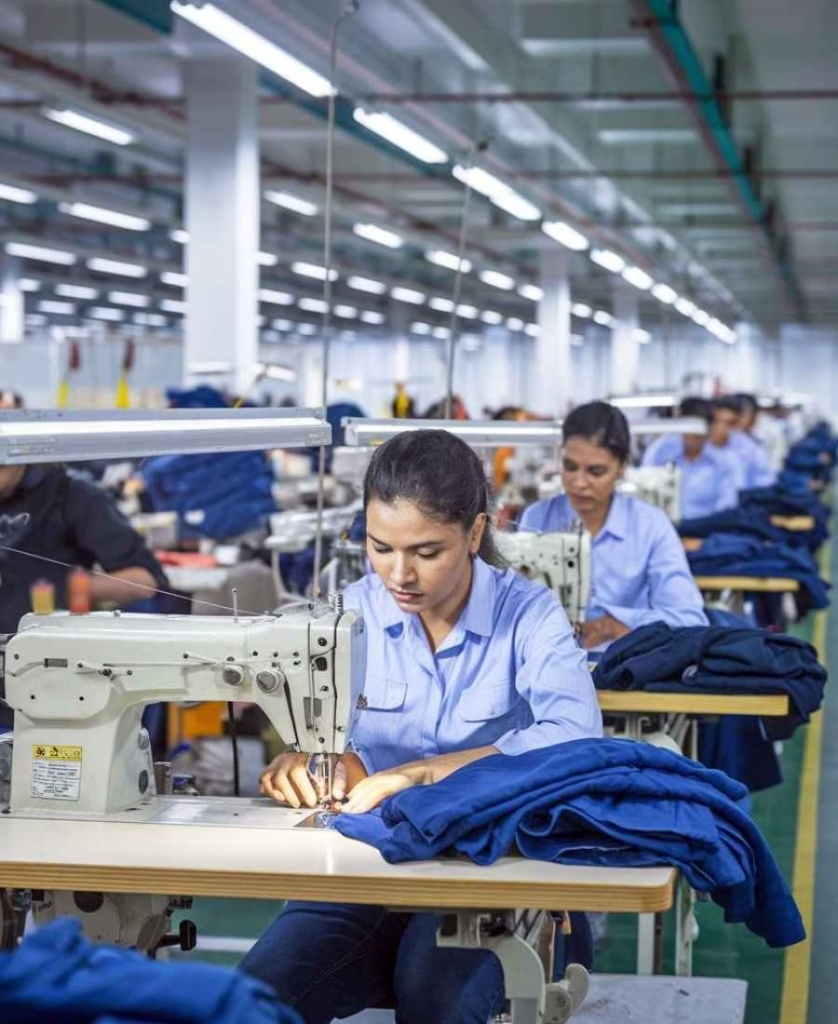
As a leading industrial workwear manufacturer in Bangladesh, we are witnessing a fundamental change in B2B purchasing behavior. Global procurement managers are no longer choosing between protection and appearance; they demand both. The defining trend is that a high-value garment must perform in the factory and represent the corporate brand with sophistication in the boardroom.
1. The Rise of "Work-Leisure" in Workwear Fashion
The single most disruptive trend in workwear fashion over the last two years is the direct influence of “Athleisure” or sportswear principles. The expectation for comfort has entirely changed. If a worker is in a coverall for 12 hours a day, the old, rigid, 320 GSM heavy cotton is now considered a burden on worker fatigue.
This trend manifests in both fit and fabric composition. By using advanced synthetic fibers, manufacturers can provide significant stretchability while still maintaining essential abrasion resistance. This reduces physical strain during bending, reaching, and climbing, directly impacting productivity.
Technical Implementation: We now blend traditional durable cotton with high-tensile elastane or spandex (up to 4%–5% in high-stress zones like underarms, back pleats, and knees). This approach ensures that a coverall manufacturer in Bangladesh is creating gear that looks tailored and professional but provides the movement and comfort of functional sportswear.
2. Sustainable Fabrics: The New Style Standard
In 2026, the industrial sector irrevocably ties being “fashionable” to environmental stewardship. High-end workwear fashion now defines itself, in part, by its raw material sourcing. Global compliance standards like the EU Green Deal are putting immense pressure on suppliers to show proof of sustainable practices.
The Materials Shift:
Recycled Polyester (rPET): Transitioning from virgin polyester to fibers derived from recycled plastic bottles, maintaining high durability while meeting Global Recycled Standard (GRS) certification.
Organic and BCI Cotton: Utilizing Global Organic Textile Standard (GOTS) cotton that uses less water and zero harmful pesticides.
Tencel and Bamboo Blends: Offering superior breathability, natural moisture wicking, and hypoallergenic properties for workers in tropical or high-heat environments like the Middle East or Southeast Asia.
By choosing sustainable workwear options, you do not just provide better gear; you proactively help your company meet its critical Environmental, Social, and Governance (ESG) goals, which is a key deciding factor for modern investors and customers.
3. Smart Tech Meets Aesthetic Design
This is the most futuristic and high-value trend: the “invisible” integration of technology into the garment’s structure. We are moving beyond just fabrics to truly interactive safety systems.
Key Technical Solutions:
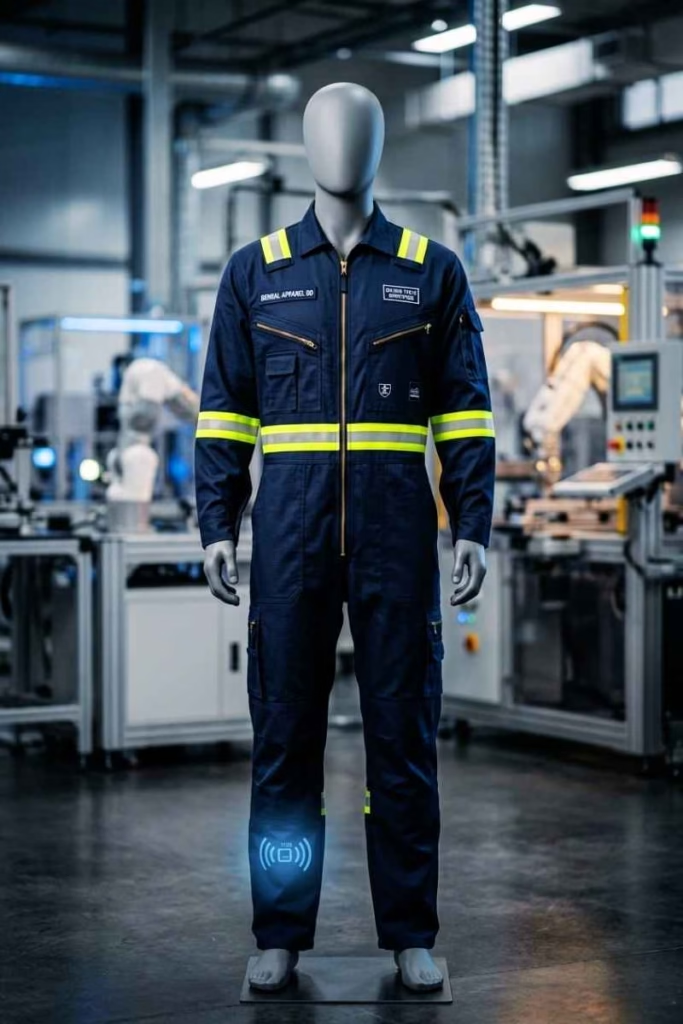
Laundry and Cycle Tracking (RFID): We can discreetly embed small RFID tags in the collars or hems. Industrial laundry facilities can use this to track how many “wash cycles” a flame-resistant garment has been through. This ensures the FR properties have not degraded and the garment is retired before it becomes unsafe.
Temperature Regulation: The integration of Phase Change Materials (PCM) which can actively absorb, store, and release body heat. This keeps a worker cool in the sun and warm in an air-conditioned control room, creating a garment that adapts to the environment.
By combining the skill of a multi-norm workwear supplier with embedded technology, we create garments that save lives and optimize inventory costs simultaneously.
4. High-Visibility Hybridization and Bold Branding
Gone are the days when all safety gear was just solid, uninspiring navy blue or construction orange. Modern workwear fashion uses sophisticated color palettes and technical materials to merge brand identity with compliance.
The Aesthetic Approach:
Reflective Placement: Utilizing prismatic reflective tape that offers 360-degree visibility, strategically placed for both safety and sleek design.
Color Blocking: Using dark, high-abrasion fabrics in areas that often get dirty (knees, cuffs) while using fluorescent orange or yellow panels on the chest and shoulders to meet EN ISO 20471 standards. This creates a functional, “sporty” look while keeping maintenance costs low.
Certified Branding: Applying heat-sealed or non-conductive, anti-static logos that promote your brand without compromising critical EN 1149 (Anti-static) safety ratings.
5. Inclusive Tailoring & Gender-Neutral Fits
True innovation in workwear fashion must be inclusive. The old model of “unisex” (which usually meant a scaled-down men’s small) is being replaced by sophisticated, diverse patterning and gender-neutral design.
We implement technical solutions for inclusion.
Adaptive Sizing: We utilize adjustable internal elastic waistbands, telescopic backs in coveralls, and expandable pleats on shirts and jackets.
Comprehensive Range: Providing an expanded size range from XS to 6XL to accommodate diverse global workforces, particularly in export markets like North America and Europe. This ensures every employee has a safe, comfortable, and professionally fitted garment.
Conclusion: Partnering for Performance
As we look to 2026, workwear fashion is no longer a superficial “look”; it is the manifestation of a complex engineering challenge. The modern uniform is a strategic business asset that protects your workers, amplifies your brand, and proves your commitment to international compliance standards.
At Bengal Apparel BD, we bridge the gap between being a high-volume manufacturer in Bangladesh and a sophisticated technical partner. We are ready to help you navigate these trends and build the future of your company’s safety program.
Are you ready to elevate your team’s safety and style? We create tailored solutions for the Oil & Gas, Construction, and Aviation sectors.