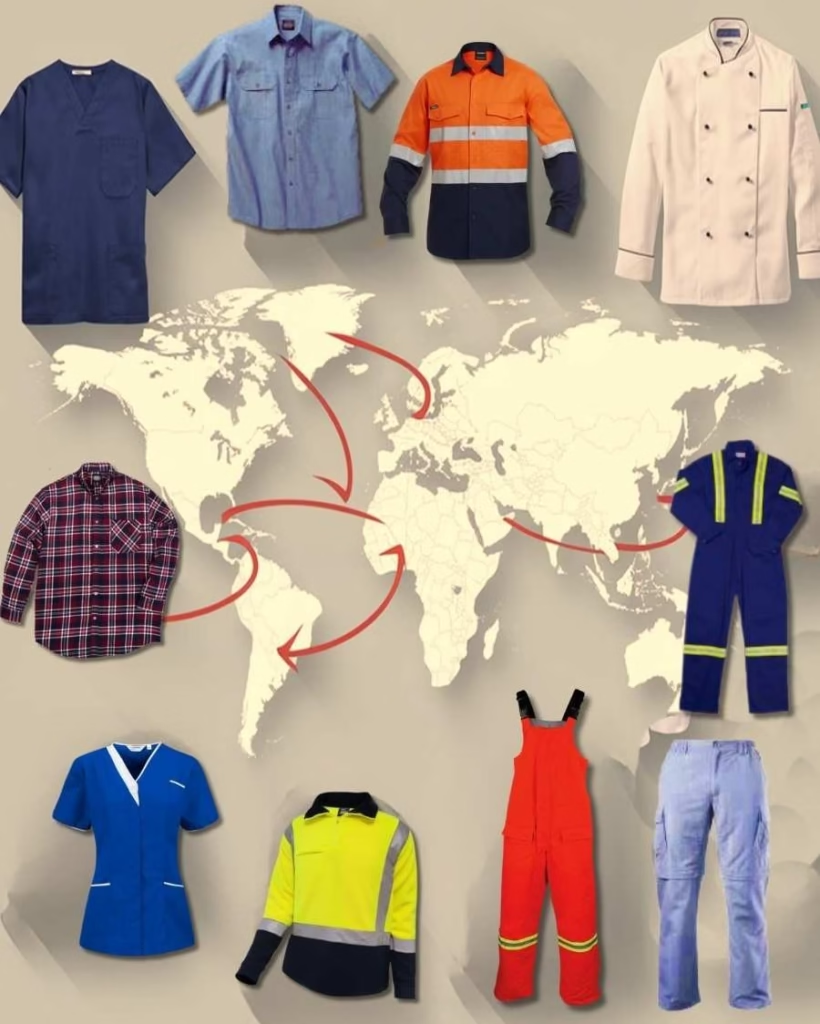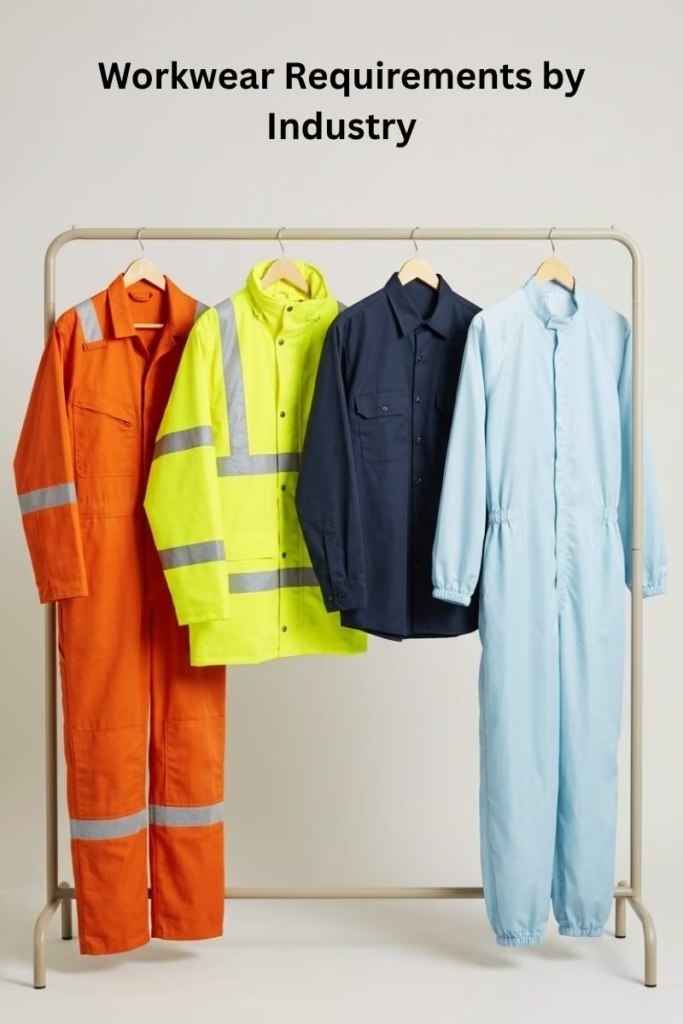
Workwear is not one product wearing different colors. A coverall built for a construction site and a coverall built for a cleanroom solve completely different problems, even if they look similar on a rack.
For procurement teams sourcing across multiple client industries, or buyers entering a new sector for the first time, knowing what each industry actually requires saves time at the specification stage and avoids costly reorders later. A garment that looks correct on paper but misses one hazard-specific requirement can fail an audit, get rejected at delivery inspection, or worse, fail to protect the worker it was bought for.
Here is a breakdown of ten common workwear requirements by industry that typically apply to each, along with the most common mistake buyers make when sourcing for that sector.
1. Construction
Durability and visibility are the two non-negotiables on a construction site. Workers move between rough terrain, machinery, and variable weather, often within the same shift.
Typical requirements: reinforced fabric at stress points, knee pad pockets, reflective elements for site visibility, weather resistant outer layers.
2. Oil and Gas
This is one of the highest risk sectors for workwear specification. Flash fire exposure, static buildup near volatile materials, and the need to carry tools and equipment all shape the garment.
Typical requirements: flame resistant fabric, anti-static properties, multi-pocket functionality for tools and PPE. Many oil and gas buyers also require multinorm garments combining FR protection with hi-vis or arc flash standards. Our FR clothing page covers certification requirements for this sector in more detail.
3. Manufacturing
Manufacturing floors vary widely, but comfort and flexibility consistently matter because workers are repeating the same movements for full shifts.
Typical requirements: durable fabric that withstands repeated washing, stretch panels at the shoulders and knees, cuts that allow easy movement without catching on machinery.
4. Logistics and Warehousing
Mobility is the priority here. Workers are walking, lifting, and reaching for most of a shift, often across large facility footprints.
Typical requirements: lightweight garments, utility pockets for scanners and handheld devices, breathable fabric suited to indoor climates that vary by season.
5. Road Work and Infrastructure
Visibility is not a comfort feature in this sector. It is the primary safety requirement, since crews work close to moving traffic.
Typical requirements: high visibility colors meeting class-specific standards, reflective tape placement, weather resistant construction for outdoor exposure. See our hi-vis workwear page for class and certification breakdowns.
6. Electrical and Utilities
Arc flash and electrical hazard exposure put this sector in the same risk tier as oil and gas, with its own specific protection requirements layered on top of FR fabric.
Typical requirements: FR fabric, arc flash protection rated to the relevant hazard category, and anti-static performance throughout the garment (Multi-Norm Workwear).
7. Mining
Mining environments are physically harsh on garments as well as on the people wearing them, which pushes durability requirements above almost every other sector.
Typical requirements: tear resistant fabric, reinforced construction at high wear points, visibility features for low light underground or open pit conditions.
8. Healthcare
Healthcare uniforms balance two requirements that can pull in opposite directions: infection control and all-day wearer comfort across long clinical shifts.
Typical requirements: fluid-resistant or fluid-repellent fabric, easy-care construction that withstands frequent industrial laundering, breathable fit for extended wear. Our healthcare uniforms page covers fabric and certification specifics for clinical and hospital settings.
9. Food Processing
Contamination control overrides almost every other consideration in food processing workwear, since the garment itself becomes part of the facility’s hygiene system.
Typical requirements: easy-clean fabric that tolerates frequent washing without degrading, lightweight design for long standing shifts, construction that minimizes loose threads or particles.
10. Electronics and Cleanroom
Static discharge that would be harmless almost anywhere else can destroy sensitive components in this sector, making this one of the most specialized workwear categories.
Typical requirements: anti-static fabric, lint control construction, cleanroom compatible materials that meet facility-specific particulate standards.
Matching the garment to the environment, not the other way around
The mistake we see most often from buyers entering a new sector is starting with a garment they already use and trying to adapt it, rather than starting with the hazard and working backward to the specification. A hi-vis jacket that performs well on a road crew will not meet the anti-static requirements of a cleanroom, no matter how the colors are adjusted.
If you are sourcing workwear for a sector not covered above, or need a program that spans more than one of these categories, our capabilities page outlines how Bengal Apparel BD structures multinorm and multi-sector sourcing programs across our nine certified partner factories.
This is also where working with a single sourcing partner across multiple categories pays off operationally. Instead of qualifying a separate vendor for FR coveralls, another for hi-vis jackets, and a third for healthcare scrubs, a buyer running programs across several sectors can consolidate certification tracking, quality audits, and lead time planning under one point of contact.
Frequently asked questions about workwear requirements by industry
Can one garment meet requirements for more than one industry?
Yes, in cases where hazard profiles overlap. Multinorm garments, for example, combine FR and arc flash protection for sectors like oil and gas and electrical utilities. Each combined certification still needs its own test report.
What is the most overlooked requirement when switching industries?
Anti-static performance. Buyers moving from a general industrial sector into electronics, cleanroom, or oil and gas environments often underestimate how specific this requirement is, since it is not always visible in a garment’s appearance the way hi-vis or FR fabric can be.
How do I know which standard applies to my industry?
Start with the hazard your workers face daily (flame, static, contamination, visibility, abrasion) rather than the industry label itself, since some facilities within the same industry face different risk profiles depending on the specific role.
Not sure which category fits your program?
Every industry on this list has different certification, fabric, and compliance requirements, and getting the specification wrong is expensive to fix after production starts. If you would rather talk through your sector’s requirements directly, our sourcing team can help you match the right protection level to your buyers’ needs.
Already know your category? Jump straight to Flame-Resistant Workwear, Hi-Visibility Workwear, Multi-Norm Workwear, or Healthcare Uniforms.