Choosing high-visibility uniforms is one of the most important decisions for companies operating in construction, logistics, utilities, transportation, manufacturing, and outdoor industrial environments.
High-visibility uniforms help improve worker safety by increasing visibility in low-light conditions, harsh weather, heavy traffic areas, and hazardous work environments.
Today, businesses selecting high-visibility workwear focus not only on compliance but also on durability, comfort, weather protection, and long-term performance.
Choosing High-Visibility Uniforms requires careful evaluation of:
- Safety standards
- Reflective visibility
- Fabric durability
- Waterproof protection
- Employee comfort
- Climate conditions
- Long-term maintenance
- Operational requirements
In this guide, we explore the key factors involved in Choosing High-Visibility Uniforms while also examining modern workwear manufacturing trends and sourcing insights for global B2B buyers.
At Bengal Apparel BD, we support high-visibility uniform manufacturing programs for distributors, industrial suppliers, procurement companies, and private-label safety brands worldwide.
Choosing High-Visibility Uniforms for Safety, Durability, and Daily Performance
1. Understanding the Safety Standards and Compliance
The primary purpose of high-visibility uniforms is to keep workers safe, which means that compliance with safety standards is non-negotiable. Different countries and regions have regulations that outline the requirements for hi-vis gear, so it’s essential to be familiar with these standards.
- ANSI/ISEA 107 Standard (U.S.): In the United States, high-visibility uniforms must comply with the ANSI/ISEA 107 standard. This standard classifies hi-vis garments into three types and classes based on job requirements, work environments, and the level of visibility needed:
- Type O (Off-road): For workers in environments where there is no exposure to public traffic.
- Type R (Roadway): For workers who are exposed to traffic or moving equipment.
- Type P (Public Safety): For emergency responders, law enforcement, and other public safety workers.
Within each type, there are three classes (Class 1, Class 2, and Class 3), with Class 3 offering the highest level of visibility.
- EN ISO 20471 Standard (Europe): In Europe, the EN ISO 20471 standard governs high-visibility clothing. It also categorizes garments into three classes, with Class 3 providing the highest level of visibility.
Tip: Always check the latest version of your region’s safety standards and ensure the uniforms you choose are certified accordingly.
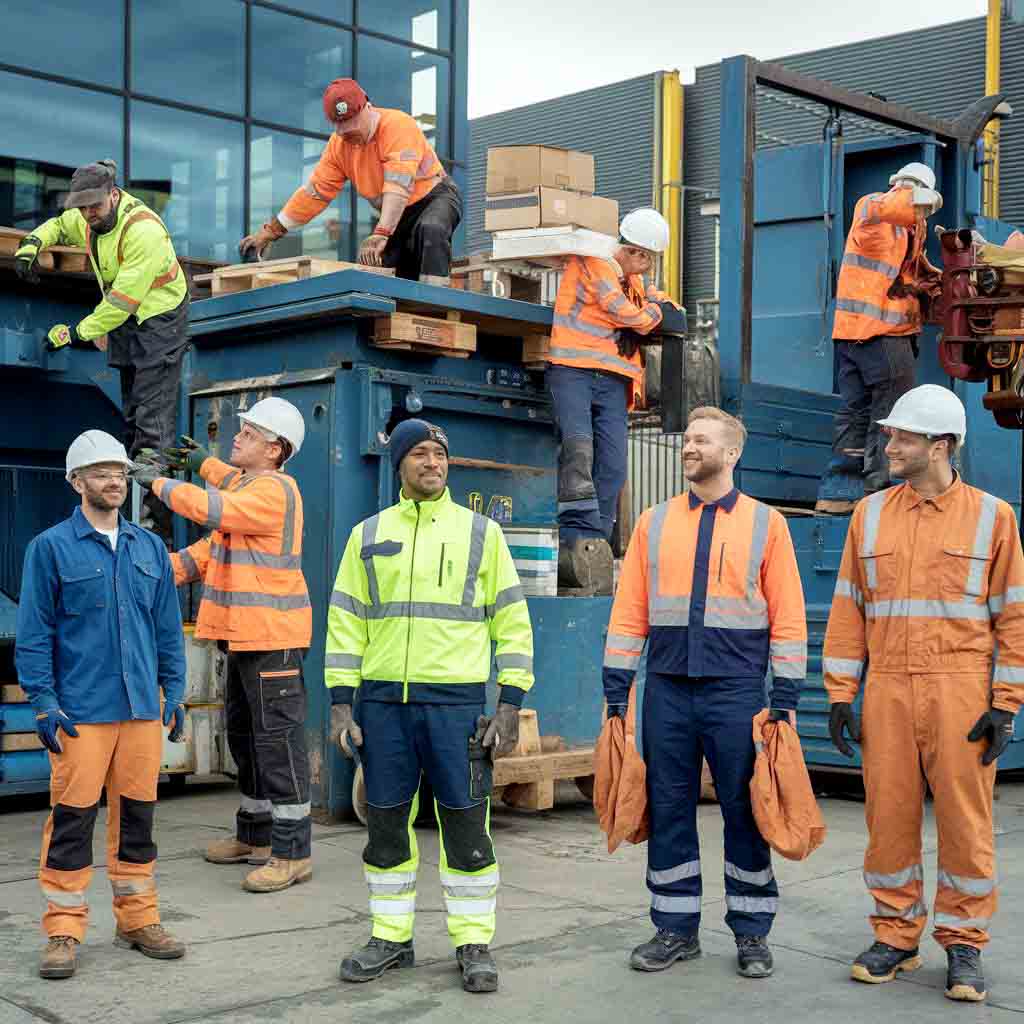
2. Visibility and Reflective Materials before Choosing High-Visibility Uniforms
The effectiveness of a high-visibility uniform depends on how easily a worker can be seen in different lighting conditions, weather, and environments. Key factors to consider include:
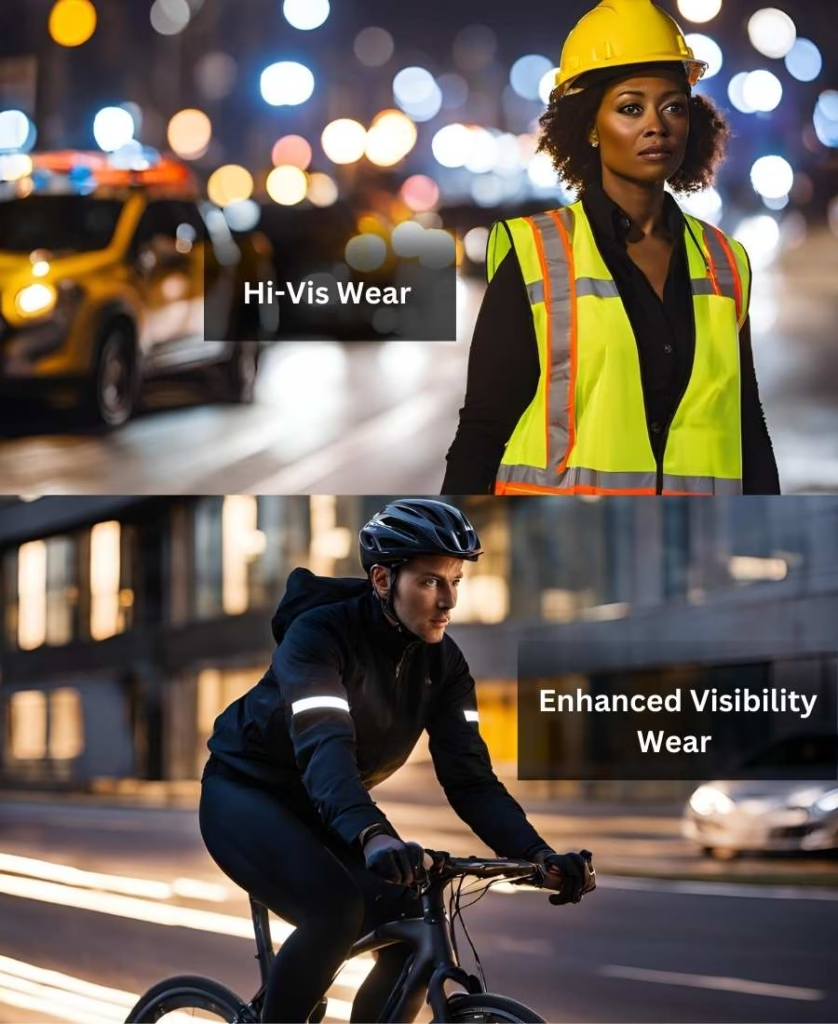
- Fluorescent Colors: Hi-vis uniforms typically come in fluorescent colors like yellow, orange, and lime green. These colors are highly visible during daylight and in low-light conditions.
- Reflective Tape: Reflective strips enhance visibility in low-light or nighttime conditions by reflecting light back toward its source (e.g., vehicle headlights). Ensure that the reflective tape meets the required width and coverage according to safety standards.
- Contrast Panels: Some uniforms feature contrast panels or stripes to increase visibility and help differentiate workers from their surroundings.
Tip: Choose uniforms with reflective tape positioned on key areas such as shoulders, arms, waist, and legs to ensure all-around visibility.
3. Comfort and Fit
Workers who wear high-visibility uniforms often perform physically demanding tasks in various weather conditions, making comfort and fit essential considerations.
- Breathable Fabrics: Opt for lightweight and breathable fabrics like polyester, cotton blends, or moisture-wicking materials to keep workers cool and comfortable, especially in hot environments.
- Stretch and Flexibility: Hi-vis uniforms should allow a full range of motion, so look for options with some stretch or ergonomic design features.
- Adjustable Fit: Consider uniforms with adjustable elements such as elastic waistbands, Velcro closures, or adjustable cuffs to ensure a comfortable fit for workers of different body shapes and sizes.
Tip: Involve your team in trying out sample uniforms to gather feedback on comfort and fit before making a final decision.
4. Weather and Climate Considerations
Different job sites and seasons require different types of high-visibility uniforms to keep workers comfortable and protected.
- Cold Weather: For colder climates, consider hi-vis jackets, insulated coveralls, or fleece-lined vests. Look for options with windproof and water-resistant properties to protect against harsh weather conditions.
- Warm Weather: In hot conditions, opt for lightweight, breathable, and moisture-wicking uniforms, such as hi-vis t-shirts, mesh vests, or shorts, to prevent overheating.
- Rain and Waterproof Gear: For rainy or wet conditions, choose waterproof hi-vis gear, such as rain jackets and pants, to keep workers dry and visible.
Tip: Offer a range of hi-vis options for different weather conditions to ensure your team remains visible and comfortable year-round.
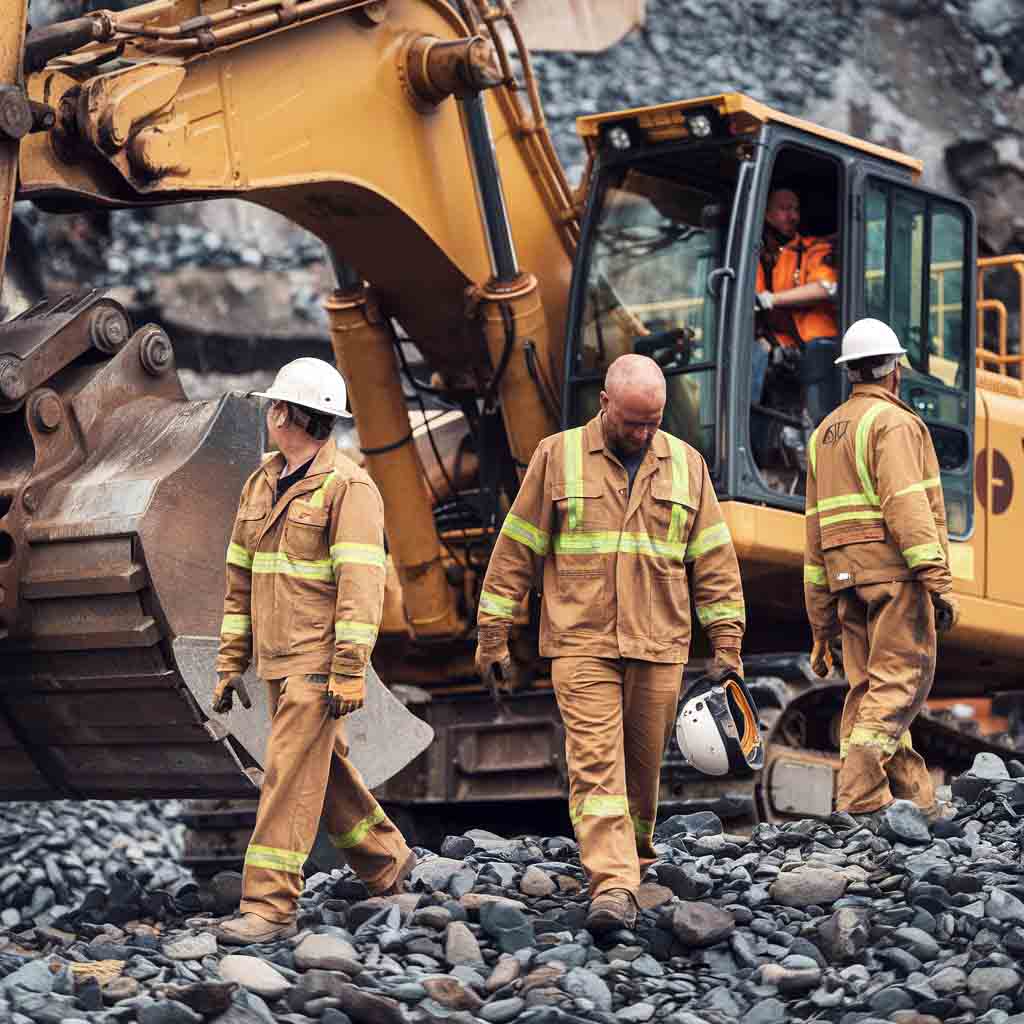
5. Durability and Quality
High-visibility uniforms should withstand the rigors of demanding work environments, such as construction sites, roadways, or warehouses. Durability is a crucial factor to consider when selecting hi-vis gear.
- Reinforced Stitching: Look for uniforms with reinforced seams and stitching, especially in high-stress areas like knees, elbows, and pockets.
- Abrasion Resistance: Choose materials that are resistant to abrasion, tearing, or snagging to ensure longevity.
- Fade Resistance: Hi-vis uniforms are frequently exposed to harsh weather, sunlight, and washing. Ensure the fabric is fade-resistant to maintain color brightness and visibility over time.
Tip: Investing in high-quality, durable uniforms may be more costly upfront, but it will save money in the long run by reducing the need for frequent replacements.
6. Functionality and Practical Features
Hi-vis uniforms should not only be visible but also practical and functional for the tasks at hand.
- Pockets and Storage: Consider uniforms with multiple pockets for carrying tools, pens, gloves, or mobile devices. Ensure that pockets are easily accessible and, if possible, have secure closures (e.g., zippers or Velcro) to prevent items from falling out.
- Ventilation: Look for uniforms with built-in ventilation features, such as mesh panels or underarm vents, to enhance airflow and keep workers cool.
- Breakaway Design: Some hi-vis vests come with a breakaway design, allowing the vest to detach if caught on machinery or equipment, reducing the risk of injury.
Tip: Manufacture uniform features to the specific tasks and needs of your workforce, ensuring the uniform enhances productivity and safety.
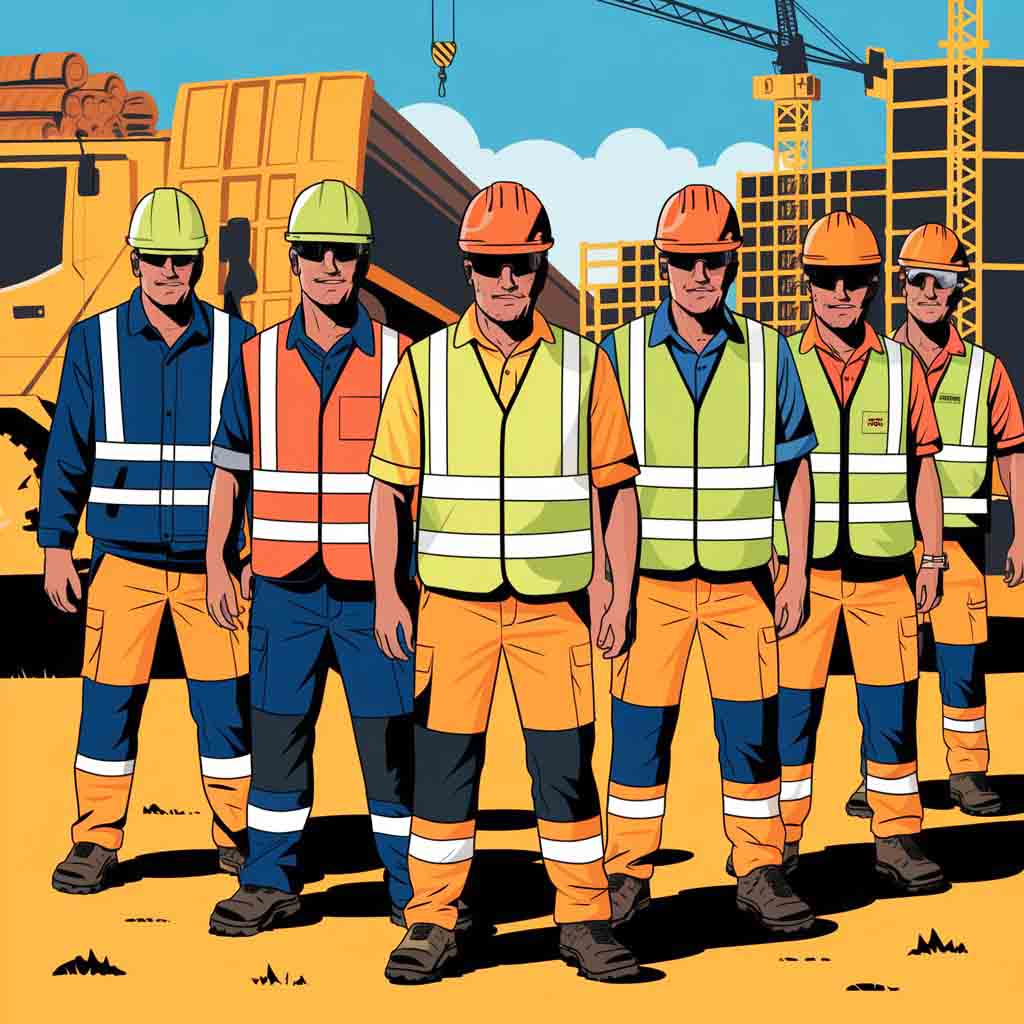
7. Sustainability and Eco-Friendly Options
As sustainability becomes increasingly important, many companies are looking for eco-friendly uniform options.
- Recycled Materials: Choose high-visibility uniforms made from recycled polyester or other sustainable materials. These options are environmentally friendly and often just as durable and effective as traditional fabrics.
- Ethical Manufacturing: Work with suppliers who prioritize ethical production practices, such as fair labor conditions and environmentally responsible manufacturing processes.
Tip: Communicating your commitment to sustainability through eco-friendly uniforms can also enhance your company’s reputation and appeal to environmentally conscious clients.
8. Cost and Budget Considerations
While safety and quality should always be top priorities, it’s essential to find uniforms that fit within your budget.
- Bulk Discounts: Many suppliers offer discounts for bulk orders, so consider purchasing uniforms for the entire team at once to save costs.
- Balance Quality and Cost: While it might be tempting to opt for cheaper options, investing in high-quality uniforms will often result in fewer replacements and lower long-term costs.
Tip: Regularly assess your uniform inventory and allocate a budget for periodic replacements to ensure your team always has access to compliant, high-quality hi-vis gear.
Finally, choosing the right high-visibility protective uniforms is a critical step in ensuring the safety, comfort, and efficiency of your workforce. By considering factors such as safety standards, visibility, comfort, weather adaptability, durability, functionality, sustainability, and cost, you can make informed decisions that protect your team and enhance productivity. Remember, high-visibility uniforms are more than just a regulatory requirement—they are a vital tool in keeping your team safe and visible in demanding work environments.
Ready to enhance safety with high-visibility protective uniforms? Use this guide to make a well-informed choice, and you’ll be investing in the well-being and efficiency of your team.
Why Choosing High-Visibility Uniforms Matters
Choosing High-Visibility Uniforms correctly can help reduce workplace risks and improve worker visibility in hazardous environments.
Workers in industries such as:
- Construction
- Road maintenance
- Warehousing
- Transportation
- Mining
- Utilities
- Airport ground operations
often work in environments where visibility is critical for safety.
High-visibility uniforms help workers remain visible during:
- Night operations
- Rainy weather
- Foggy conditions
- Heavy traffic environments
- Low-light industrial settings
Choosing the right garments also improves worker comfort and productivity during long shifts.
Important Standards When Choosing High-Visibility Uniforms
Compliance standards are one of the most important factors when Choosing High-Visibility Uniforms.
Common standards include:
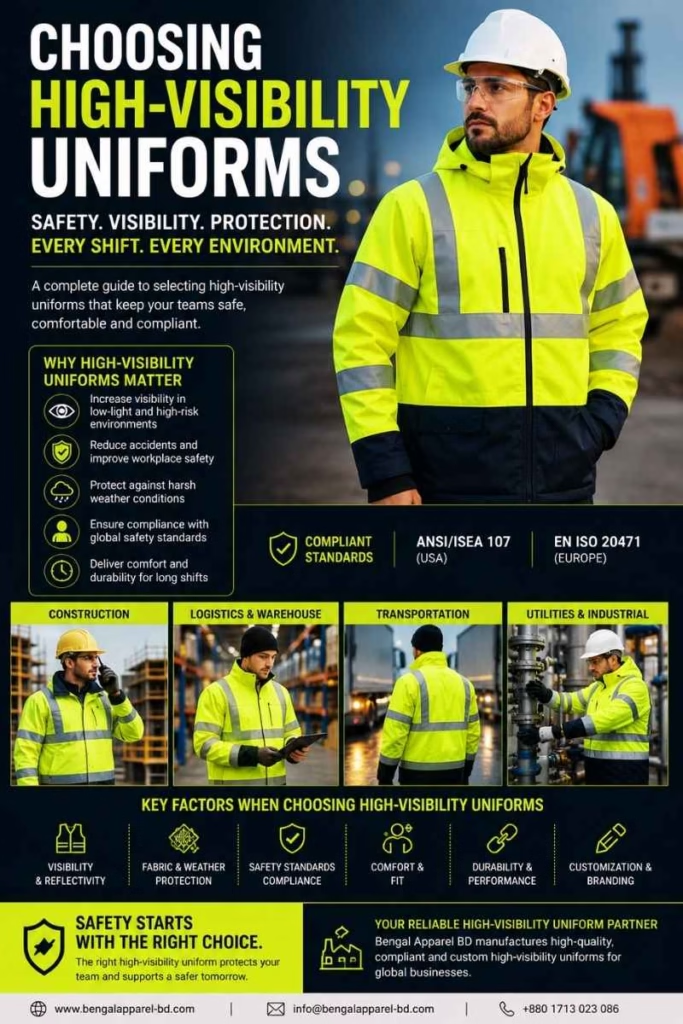
- ANSI/ISEA 107
- EN ISO 20471
These standards define requirements for:
- Reflective tape placement
- Fluorescent fabric coverage
- Visibility performance
- Garment classification levels
Different industries and regions may require different compliance levels depending on worksite risks and regulations.
Official references:
Related article:
ANSI 2024 High-Visibility Clothing Standards
Fabric Selection for Choosing High-Visibility Uniforms
Fabric performance plays a major role when Choosing High-Visibility Uniforms.
Common materials include:
- Polyester Oxford fabrics
- Waterproof coated fabrics
- Softshell fabrics
- Ripstop materials
- Breathable laminated fabrics
- Insulated thermal fabrics
Many businesses now prefer high-visibility garments with:
- Waterproof protection
- Breathability
- Wind resistance
- Thermal insulation
- Stretch mobility
- Moisture management
These features help improve comfort and garment durability in demanding work environments.
Related articles:
Choosing High-Visibility Uniforms for Different Industries
Different industries require different types of high-visibility garments.
Construction Industry
Construction workers often require:
- Reflective jackets
- Waterproof outerwear
- Hi-vis trousers
- Thermal safety clothing
Logistics and Warehousing
Logistics workers commonly use:
- Lightweight reflective vests
- Hi-vis polo shirts
- Breathable safety jackets
Transportation and Roadwork
Roadwork crews frequently require:
- Waterproof reflective jackets
- ANSI-compliant garments
- Cold-weather high-visibility outerwear
Utility and Industrial Work
Utility workers often need:
- Flame-resistant high-visibility garments
- Waterproof insulated jackets
- Multi-standard safety apparel
Choosing High-Visibility Uniforms based on operational conditions helps improve safety and long-term garment performance.
Choosing High-Visibility Uniforms From a Reliable Manufacturer
A reliable manufacturing partner is critical when Choosing High-Visibility Uniforms for industrial programs.
Professional buyers often evaluate suppliers based on:
- Compliance support
- Production reliability
- Fabric sourcing capability
- Reflective tape quality
- Quality control systems
- Custom branding support
- Scalable manufacturing capacity
At Bengal Apparel BD, we support buyers with:
- Product development
- Fabric sourcing
- Compliance coordination
- Sampling support
- Quality inspections
- Export management
Related page:
Workwear Manufacturing Bangladesh
Sustainability and Choosing High-Visibility Uniforms
Sustainability is becoming increasingly important when Choosing High-Visibility Uniforms for large industrial programs.
Many buyers now request:
- Recycled polyester fabrics
- OEKO-TEX certified materials
- Sustainable packaging
- Responsible sourcing practices
Bangladesh continues investing in sustainable garment manufacturing and eco-certified textile production.
Related article:
Sustainable Workwear Bangladesh
For sustainability references:
Frequently Asked Questions
Why is Choosing High-Visibility Uniforms important?
Choosing High-Visibility Uniforms correctly helps improve worker visibility, safety, comfort, and compliance in hazardous work environments.
What standards apply when Choosing High-Visibility Uniforms?
Choosing High-Visibility Uniforms correctly helps improve worker visibility, safety, comfort, and compliance in hazardous work environments.
Why is Choosing High-Visibility Uniforms important?
Common standards include ANSI/ISEA 107 and EN ISO 20471 depending on regional requirements.
What fabrics are commonly used in high-visibility uniforms?
Manufacturers commonly use waterproof polyester fabrics, softshell materials, breathable laminated fabrics, and insulated workwear fabrics.
Can high-visibility uniforms be customized?
Yes. High-visibility uniforms can include custom colors, logos, embroidery, reflective tape placement, and packaging customization.
Why source high-visibility uniforms from Bangladesh?
Bangladesh offers competitive manufacturing costs, experienced garment production, scalable manufacturing capacity, and strong workwear expertise.
Looking for Support in Choosing High-Visibility Uniforms?
At Bengal Apparel BD, we support high-visibility workwear sourcing programs for:
- Safetywear distributors
- Industrial suppliers
- Procurement companies
- Construction uniform programs
- Private-label brands
- Global importers
Our services include:
- Product development
- Fabric sourcing
- Compliance support
- Sampling
- Quality control
- Export coordination
Contact Bengal Apparel BD to discuss your high-visibility uniform manufacturing requirements.