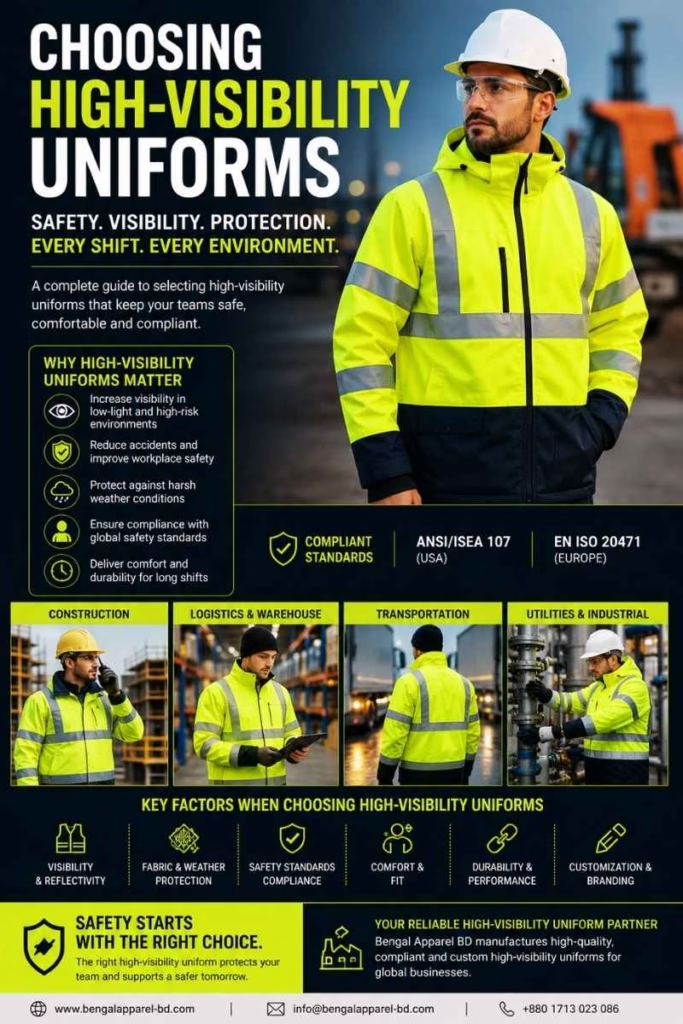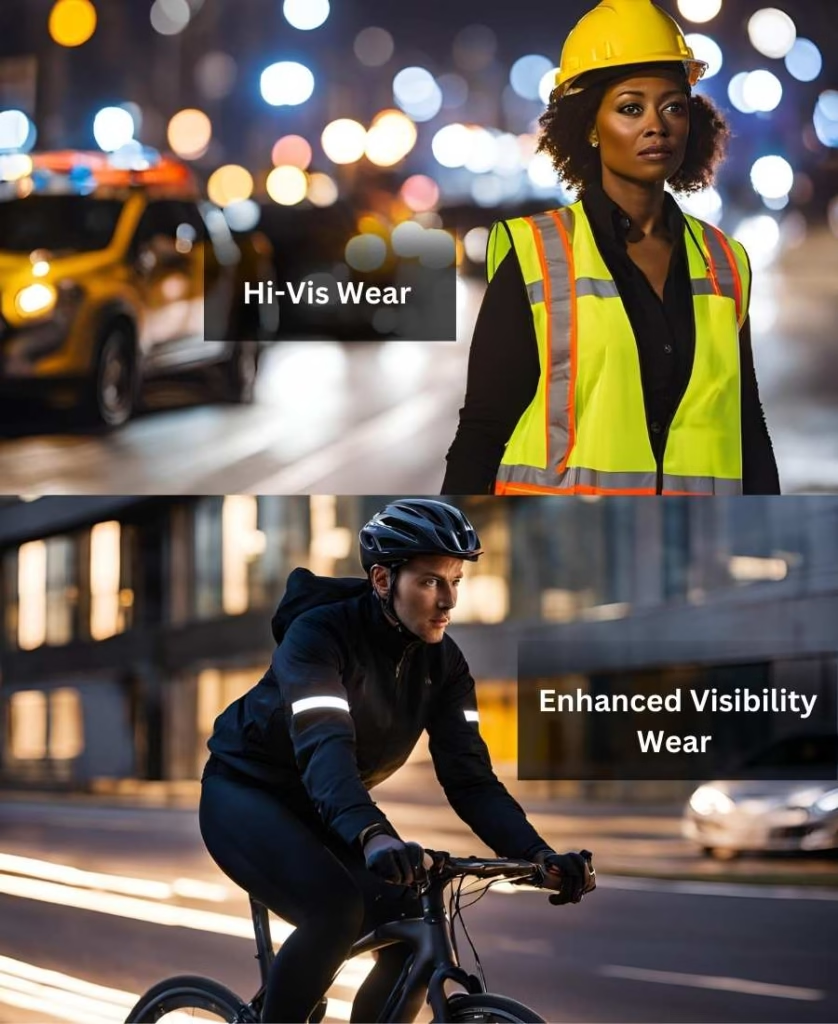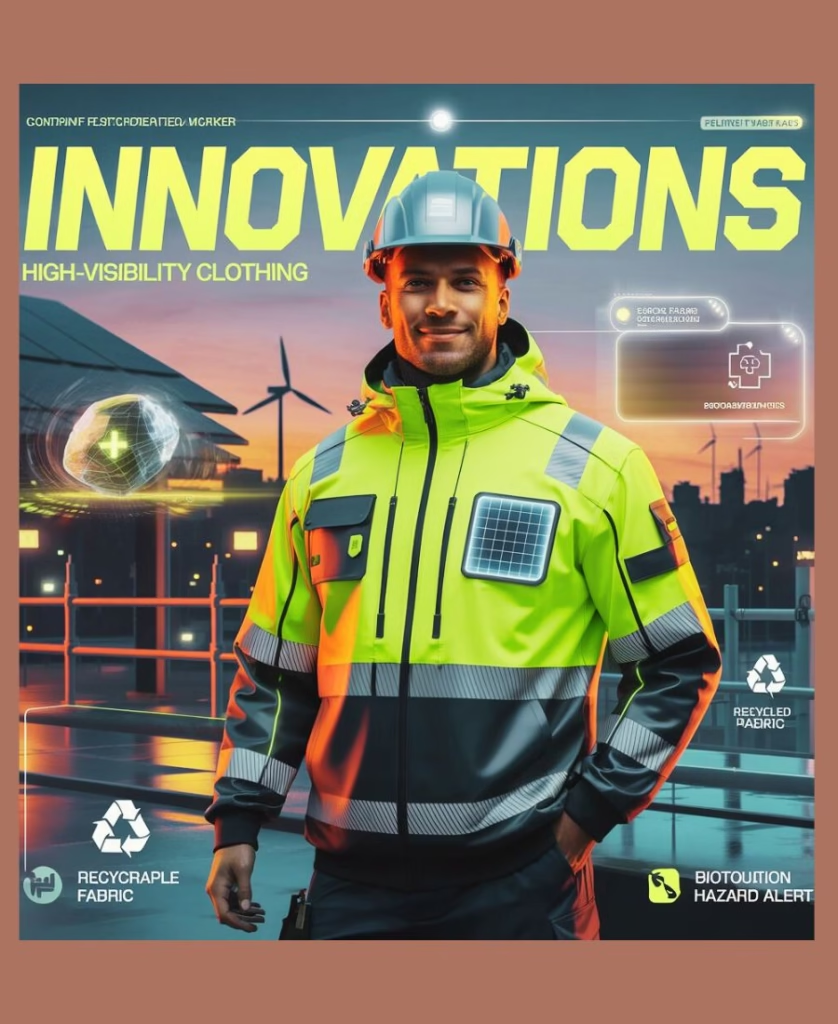
Innovations in High-Visibility Clothing are transforming the way industrial workers stay safe, comfortable, and productive in hazardous work environments.
Modern high-visibility garments are no longer limited to basic reflective safety vests. Today, Innovations in High-Visibility Clothing include advanced fabric technologies, improved weather protection, lightweight construction, sustainable materials, and enhanced worker mobility.
Industries such as construction, logistics, transportation, utilities, mining, and infrastructure increasingly require safety apparel that combines compliance, durability, and comfort for demanding work conditions.
Innovations in High-Visibility Clothing now focus on:
- Advanced reflective technologies
- Waterproof and breathable fabrics
- Lightweight garment construction
- Smart safety apparel
- Sustainable materials
- Improved worker mobility
- Multi-standard compliance solutions
In this guide, we explore the latest Innovations in High-Visibility Clothing while also examining manufacturing trends and sourcing insights for global B2B buyers.
At Bengal Apparel BD, we support high-visibility workwear manufacturing programs for distributors, industrial suppliers, procurement companies, and private-label safety brands worldwide.
Related page:
High-Visibility Workwear
Innovations in High-Visibility Clothing for Safety, Comfort, and Modern Industrial Performance
1. Smarter Fabrics: Beyond Fluorescent Colors
Traditional hi-vis clothing relies on fluorescent colors (neon yellow, orange) and retroreflective tape. But 2023 has introduced fabrics that are as intelligent as they are visible.
- Photoluminescent Technology
- How It Works: Fabrics embedded with photoluminescent pigments absorb light during the day and glow for up to 10 hours in the dark.
- Example: ProViz’s Reflect360 cycling jacket uses this tech, eliminating the need for external light sources to stay visible.
- Benefit: Ideal for nightshift workers and cyclists, offering continuous visibility without batteries.
- Dynamic Color-Shifting Materials
- Innovation: Researchers at MIT developed textiles that change color based on environmental conditions (e.g., brighter in fog, darker in sunlight).
- Application: Prototypes are being tested in aviation and firefighting gear.
- Lightweight, Breathable Reflective Fabrics
- Trend: Brands like 3M and Reflective Apparel now offer ultra-thin, moisture-wicking reflective materials that replace bulky tape.
- Impact: Workers in hot climates stay cool without compromising safety.
2. Tech-Integrated Hi-Vis Gear: Wearables Meet Safety
The rise of IoT (Internet of Things) and wearable tech has transformed hi-vis clothing into smart safety systems.
- Solar-Powered LED Lighting
- Example: The Bolt UV Jacket by Vollebak integrates flexible solar panels into its design, powering LED strips for 24/7 visibility.
- Benefit: Reduces reliance on disposable batteries and enhances visibility in low-light conditions.
- Biometric Monitoring
- Innovation: Hi-vis vests with embedded sensors track vital signs (heart rate, body temperature) and alert supervisors to fatigue or heat stress.
- Case Study: Siemens’ Smart Vest for factory workers reduced heat-related incidents by 40% in pilot programs.
- GPS and Connectivity
- Feature: Construction helmets with GPS trackers ensure worker location visibility in remote sites.
- Brand Spotlight: Daqri’s smart helmets combine AR (augmented reality) and GPS for real-time hazard alerts.
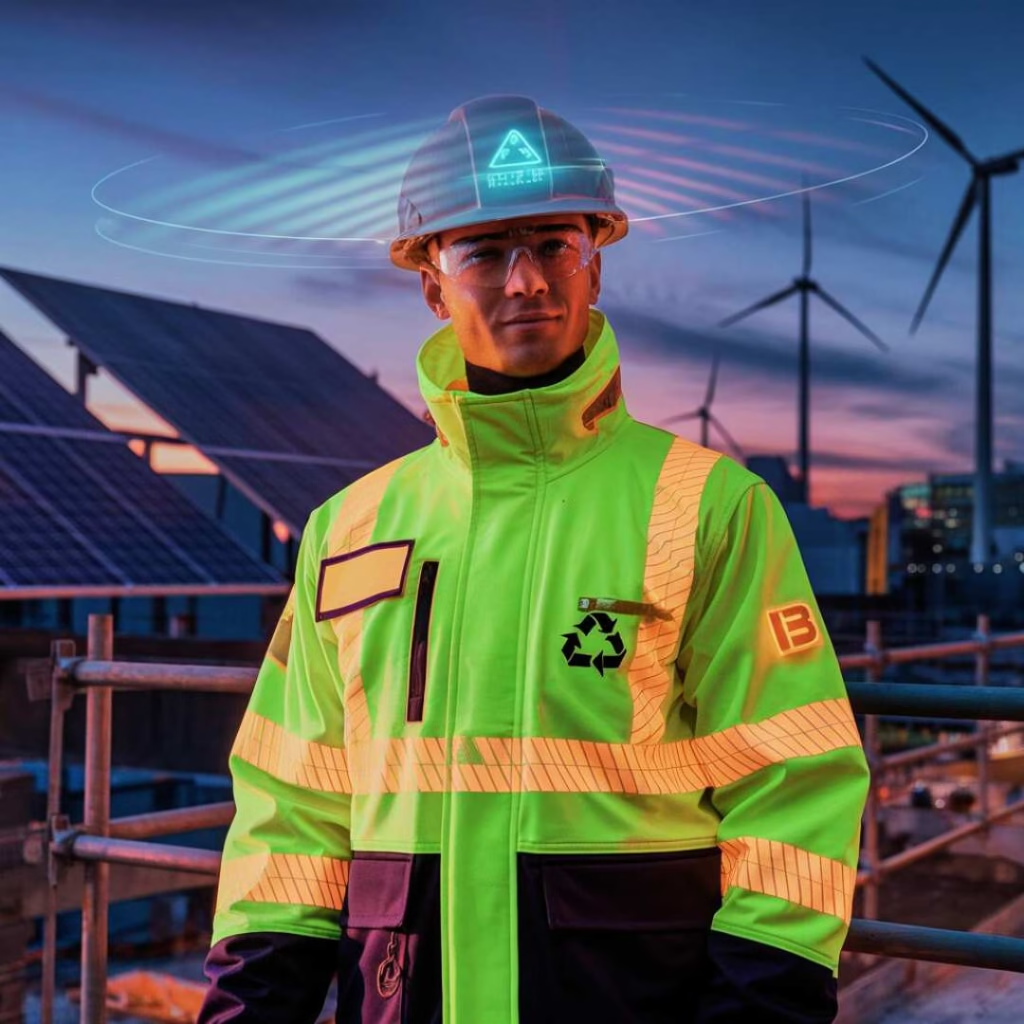
3. Sustainable Hi-Vis: Eco-Friendly Safety Solutions
With 67% of consumers prioritizing sustainable brands (McKinsey, 2024), the hi-vis industry is embracing green innovations.
- Recycled Reflective Materials
- Breakthrough: Companies like Patagonia and Helly Hansen use recycled polyester blended with reflective fibers.
- Stat: Recycled fabrics reduce carbon footprints by up to 30% compared to virgin materials.
- Biodegradable Hi-Vis Gear
- Example: EcoGlo by Nasco Industries offers biodegradable safety vests made from plant-based polymers.
- Lifespan: Decomposes within 5 years vs. 200+ years for traditional plastics.
- Low-Impact Dyeing
- Trend: Waterless dyeing techniques (e.g., CO2 dyeing) cut water usage by 95% in hi-vis apparel production.
4. Fashion-Forward Designs: Style Meets Compliance
Gone are the boxy, neon-orange vests. Today’s hi-vis clothing merges OSHA compliance with runway-ready aesthetics.
- Slim-Fit and Tailored Cuts
- Brand Spotlight: Dickies’ Flex Workwear Line offers tapered hi-vis pants and jackets for a modern, professional look.
- Streetwear-Inspired Collections
- Trend: Collaborations between safety brands and fashion labels (e.g., Carhartt x Nike) blend reflective elements with urban style.
- Customizable Branding
- Feature: Reflective logos and embroidery allow companies to promote their brand while ensuring visibility.
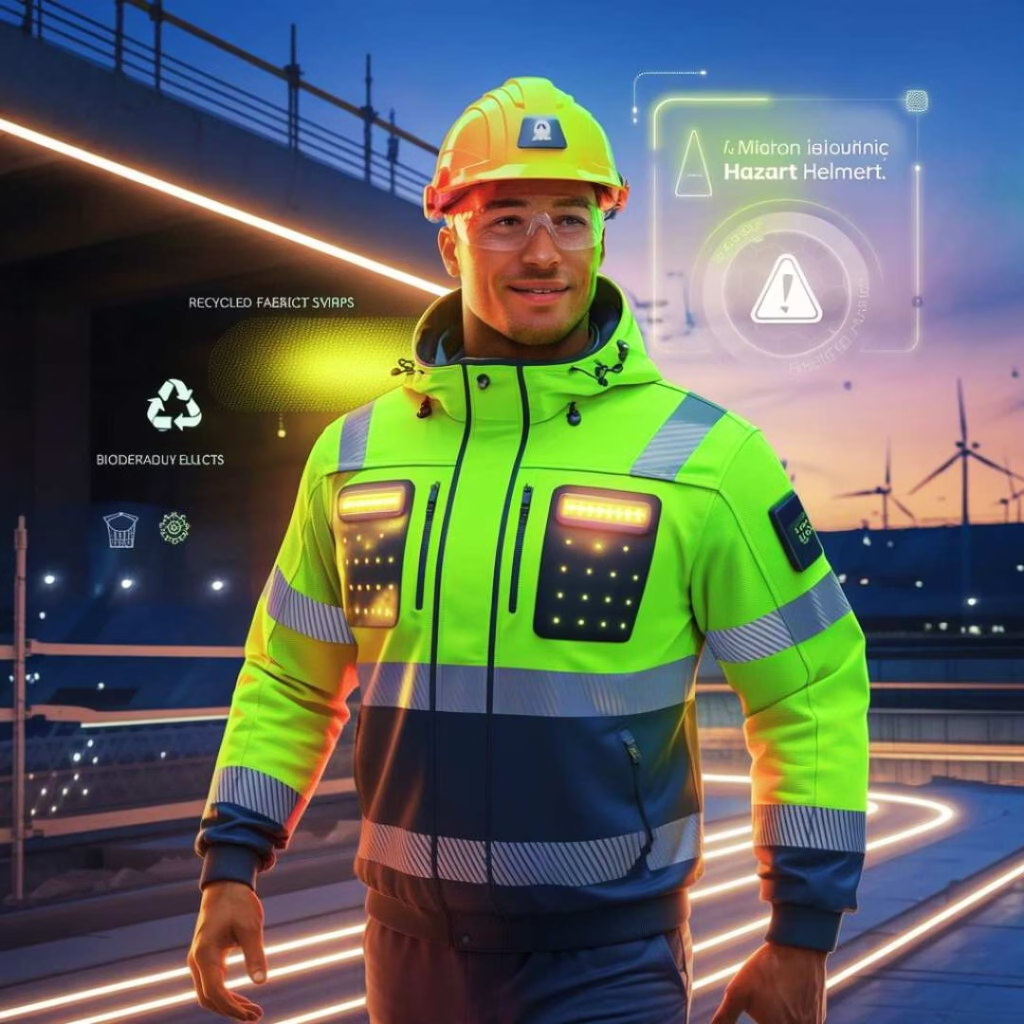
5. Industry-Specific Innovations in High-Visibility Clothing
- Construction & Roadwork
- Smart Helmets: Integrated face shields with heads-up displays (HUDs) project hazard warnings.
- Heated Hi-Vis Jackets: Battery-powered heating elements keep workers warm in freezing conditions.
- Cycling & Outdoor Sports
- Product Highlight: Proviz’s Reflect360 Backpack Cover turns any bag into a hi-vis safety accessory.
- Emergency Services
- Innovation: Firefighter gear with thermal-reflective coatings that repel heat up to 1,000°F.
6. The Future: What’s Next for Hi-Vis Clothing?
- Self-Repairing Fabrics: MIT’s lab is testing materials that “heal” minor tears, extending garment lifespan.
- AI-Driven Design: Algorithms predict optimal reflective patterns based on accident data.
- Holographic Reflective Tech: 3M’s Diamond Grade sheeting uses prismatic reflectors for 500% brighter visibility.
Why Innovations in High-Visibility Clothing Matter
Innovations in High-Visibility Clothing help improve worker safety in environments where visibility is critical.
Workers in industries such as:
- Construction
- Transportation
- Warehousing
- Utilities
- Mining
- Airport ground operations
- Infrastructure projects
often operate in:
- Low-light conditions
- Heavy traffic areas
- Harsh weather environments
- Rain and fog
- Cold outdoor conditions
Modern Innovations in High-Visibility Clothing help businesses improve:
- Worker visibility
- Weather protection
- Garment durability
- Employee comfort
- Compliance performance
- Operational efficiency
As workplace safety standards continue evolving, companies increasingly look for more advanced and reliable high-visibility workwear solutions.
Smart Technologies and Innovations in High-Visibility Clothing
One of the fastest-growing areas in Innovations in High-Visibility Clothing is smart safety apparel.
Modern developments now include:
- LED-integrated garments
- Heat-sealed reflective systems
- Moisture-management fabrics
- Thermal-regulating materials
- Stretch mobility panels
- Lightweight waterproof membranes
Some Innovations in High-Visibility Clothing also focus on improving worker comfort during long outdoor shifts through breathable and ergonomic garment construction.
These innovations help workers maintain mobility and comfort without reducing visibility performance.
Related article:
Choosing High-Visibility Uniforms
Sustainable Innovations in High-Visibility Clothing
Sustainability is becoming increasingly important in industrial apparel sourcing.
Many global buyers now look for Innovations in High-Visibility Clothing that support:
- Recycled polyester fabrics
- Lower-impact production methods
- Sustainable packaging
- OEKO-TEX certified materials
- Responsible sourcing practices
Manufacturers are increasingly using recycled fibers and environmentally responsible materials while maintaining safety compliance and durability standards.
Bangladesh continues expanding its sustainable textile manufacturing infrastructure and eco-certified garment production capabilities.
Related article:
Sustainable Workwear Bangladesh
For sustainability references:
Compliance Standards and Innovations in High-Visibility Clothing
Safety compliance remains one of the most important aspects of Innovations in High-Visibility Clothing.
Common international standards include:
- ANSI/ISEA 107
- EN ISO 20471
These standards define requirements for:
- Reflective tape visibility
- Fluorescent material coverage
- Garment classification levels
- Day and night visibility performance
Modern Innovations in High-Visibility Clothing now combine advanced garment technologies with compliance-focused design to improve both protection and comfort.
Official references:
Related article:
ANSI 2024 High-Visibility Clothing Standards
Fabric Technologies Driving Innovations in High-Visibility Clothing
Fabric innovation is one of the key drivers behind Innovations in High-Visibility Clothing.
Common advanced materials include:
- Waterproof breathable fabrics
- Ripstop fabrics
- Softshell materials
- Thermal insulated fabrics
- Stretch performance fabrics
- Moisture-management textiles
Many high-visibility garments now include:
- Lightweight construction
- Wind-resistant membranes
- Durable water-repellent finishes
- Heat-applied reflective systems
- Ergonomic fit improvements
These technologies help improve worker comfort and garment durability in demanding environments.
Related articles:
Innovations in High-Visibility Clothing Manufacturing in Bangladesh
Bangladesh has become an important sourcing destination for modern industrial workwear and Innovations in High-Visibility Clothing.
Global buyers source from Bangladesh because of:
- Competitive manufacturing costs
- Skilled garment workforce
- Technical workwear experience
- Compliance-focused factories
- Scalable production capacity
- Flexible customization support
Manufacturers in Bangladesh now support a wide range of advanced safety apparel including:
- Reflective waterproof jackets
- Thermal high-visibility outerwear
- Flame-resistant high-visibility garments
- Reflective softshell jackets
- Sustainable safety apparel
At Bengal Apparel BD, we support buyers with:
- Product development
- Fabric sourcing
- Compliance coordination
- Sampling support
- Quality inspections
- Export management
Related page:
Workwear Manufacturing Bangladesh
Frequently Asked Questions
What are Innovations in High-Visibility Clothing?
Innovations in High-Visibility Clothing include advanced reflective technologies, lightweight fabrics, waterproof protection, sustainable materials, and smart safety apparel developments.
Why are Innovations in High-Visibility Clothing important?
Innovations help improve worker visibility, comfort, mobility, weather protection, and long-term garment durability in hazardous work environments.
What standards apply to high-visibility clothing?
Common standards include ANSI/ISEA 107 and EN ISO 20471 depending on regional and industry requirements.
What fabrics are used in modern high-visibility clothing?
Manufacturers commonly use waterproof breathable fabrics, ripstop materials, insulated fabrics, stretch fabrics, and reflective performance textiles.
Why source high-visibility clothing from Bangladesh?
Bangladesh offers competitive manufacturing costs, experienced garment production, compliance-focused factories, and strong technical workwear expertise.
Looking for Advanced High-Visibility Workwear Manufacturing Support?
At Bengal Apparel BD, we support sourcing programs focused on Innovations in High-Visibility Clothing for:
- Safetywear distributors
- Industrial suppliers
- Construction companies
- Procurement firms
- Private-label brands
- Global importers
Our services include:
- Product development
- Fabric sourcing
- Compliance support
- Sampling
- Quality control
- Export coordination
Contact Bengal Apparel BD to discuss your high-visibility clothing manufacturing requirements.